
Light Is a Language: What Your Child’s Nervous System Is Hearing
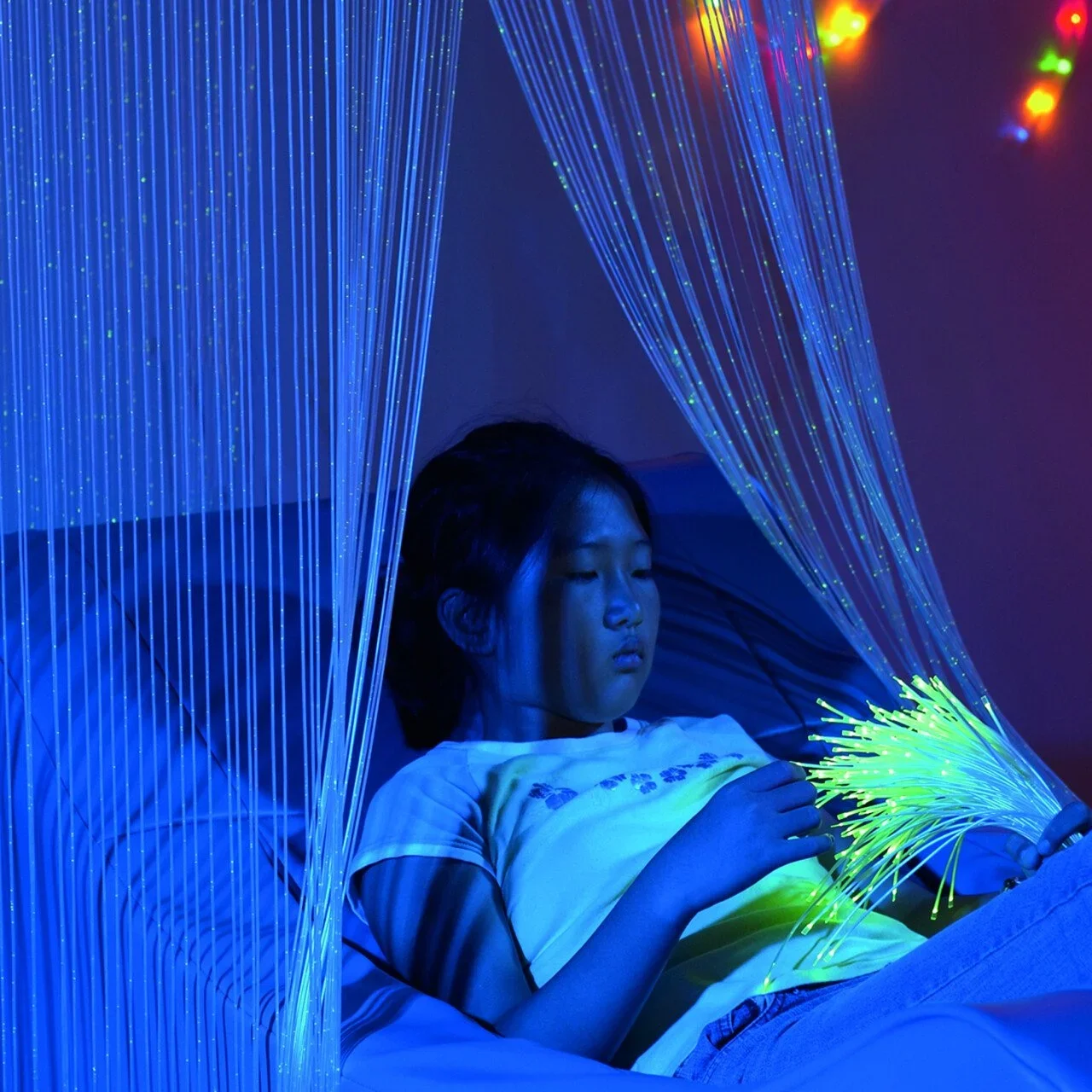
Have you ever noticed your child feels calm in one room but overwhelmed in another, even when nothing obvious has changed?
You may be wondering why transitions feel harder indoors, why your child avoids bright spaces, or why certain rooms seem to trigger meltdowns. Light may be playing a bigger role than you realize.
Light isn’t just how we see; it’s information, and your child’s nervous system is constantly interpreting that information to decide whether it’s time to feel safe, alert, or overstimulated.
Visual Hypersensitivity (Light Avoiders)
Children with visual hypersensitivity experience everyday lighting as too much. What feels neutral to others can feel overwhelming or even painful.
A standard overhead light may feel glaring. Busy patterns or high-contrast visuals can cause discomfort, headaches, or irritability (MapHabit, 2025).
Common signs may include:
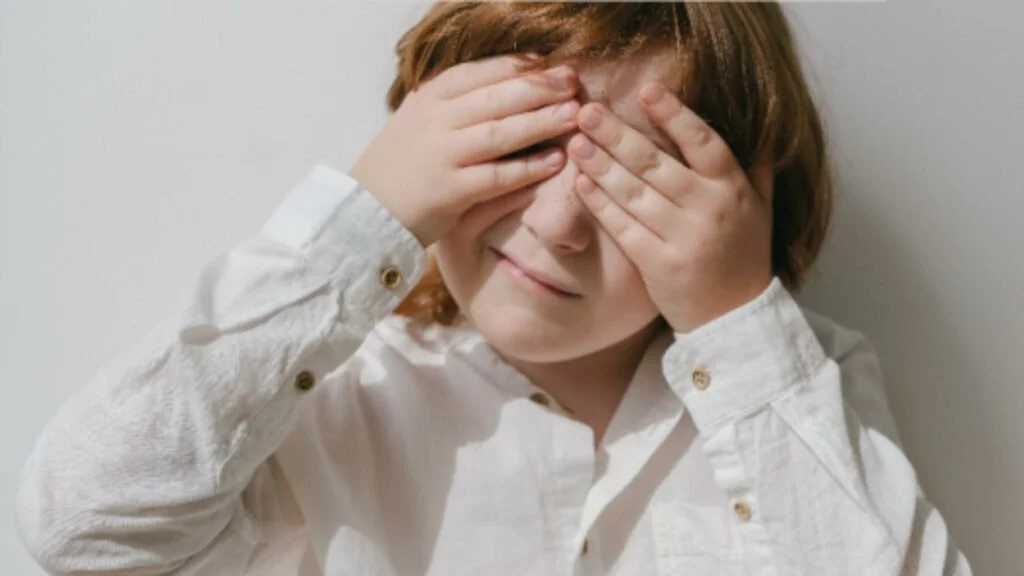
Covering eyes or squinting
Irritability or anxiety in bright spaces
Fatigue
Staying inside darkened spaces
Headaches or eyestrain
Avoidance of fluorescent-lit rooms
(Bullock, 2018; Outree, 2025)
Visual Hyposensitivity (Light Seekers)
Children who are visual seekers need more visual input to feel regulated.
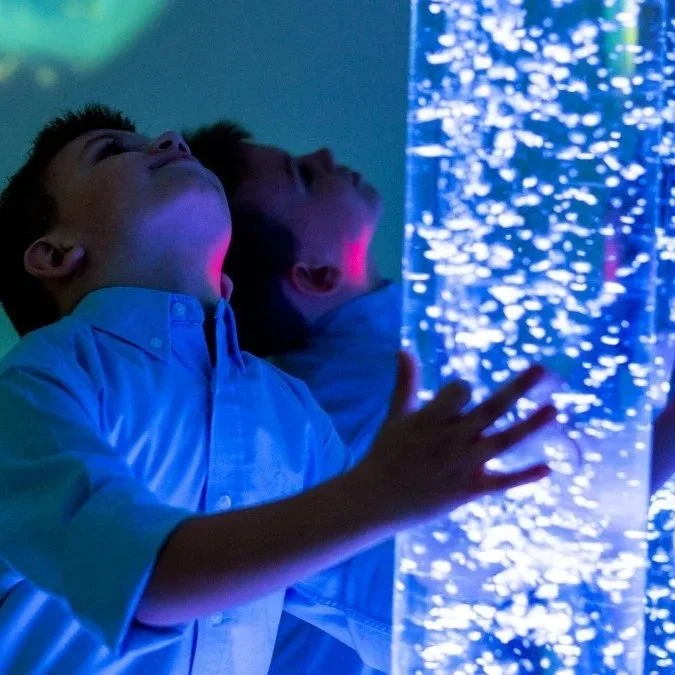
They may:
Stare at spinning or glowing objects
Enjoy bright or color-changing lights
Hold objects very close to their face
Seek screens or visually stimulating toys
Flicker lights on and off
This extra input helps their nervous system stay organized and engaged.
(Outree, 2025)
Matching Light to Sensory Needs
Research shows children have individual color preferences and respond differently to various shades and light intensities (Nair et al., 2022).
Lights That Support Visual Seekers
Lava lamps or slow light projectors
Fiber optic strands
Light-up sensory panels
LED light strips
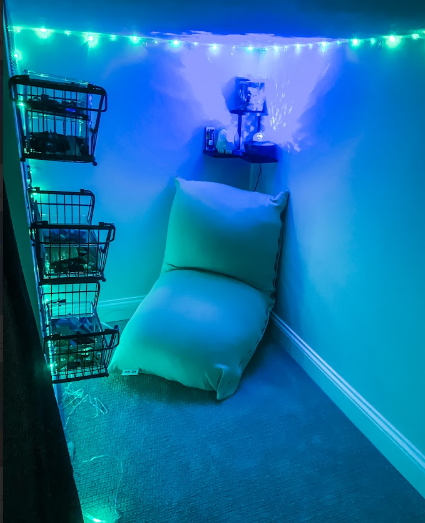
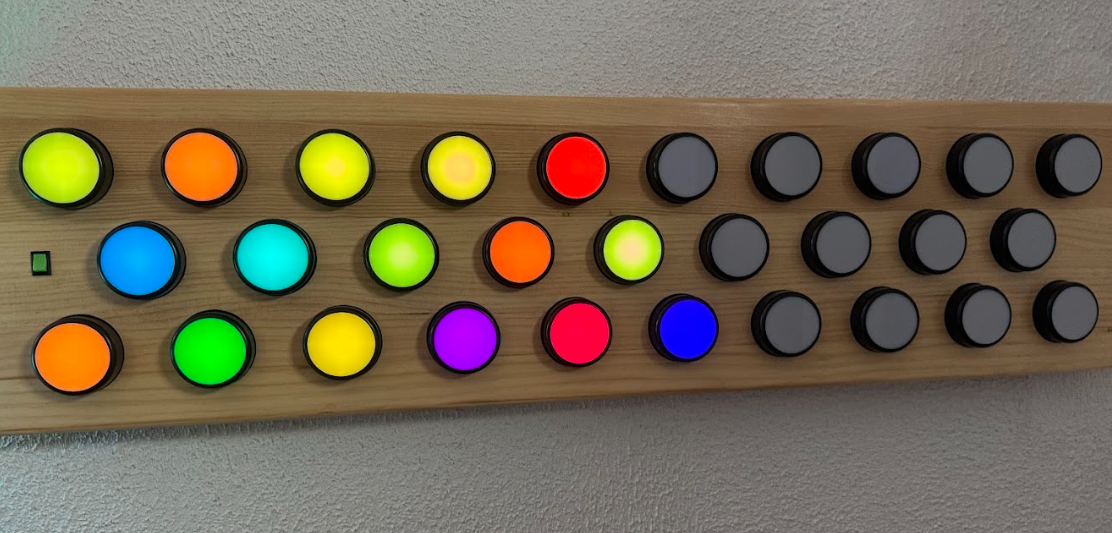
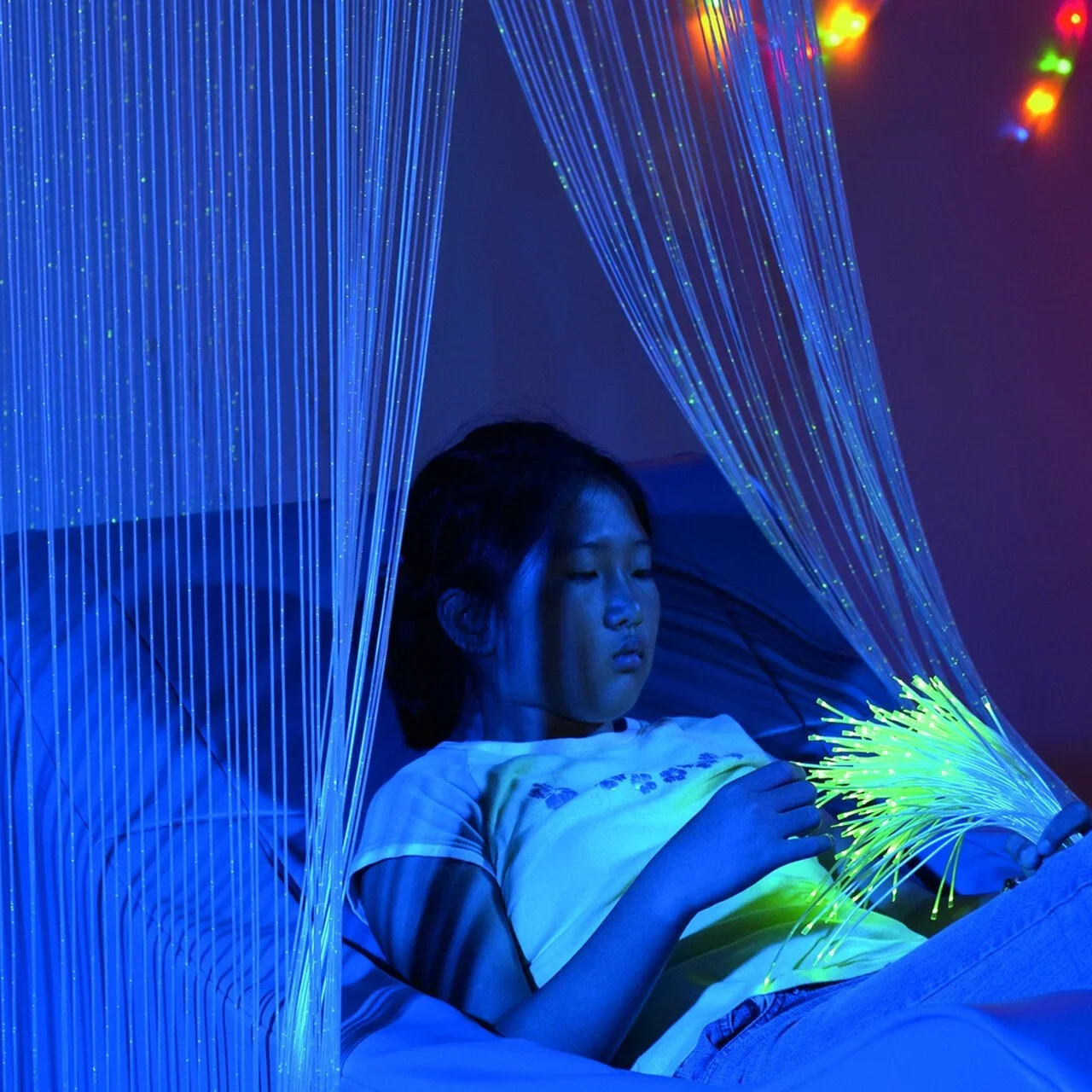
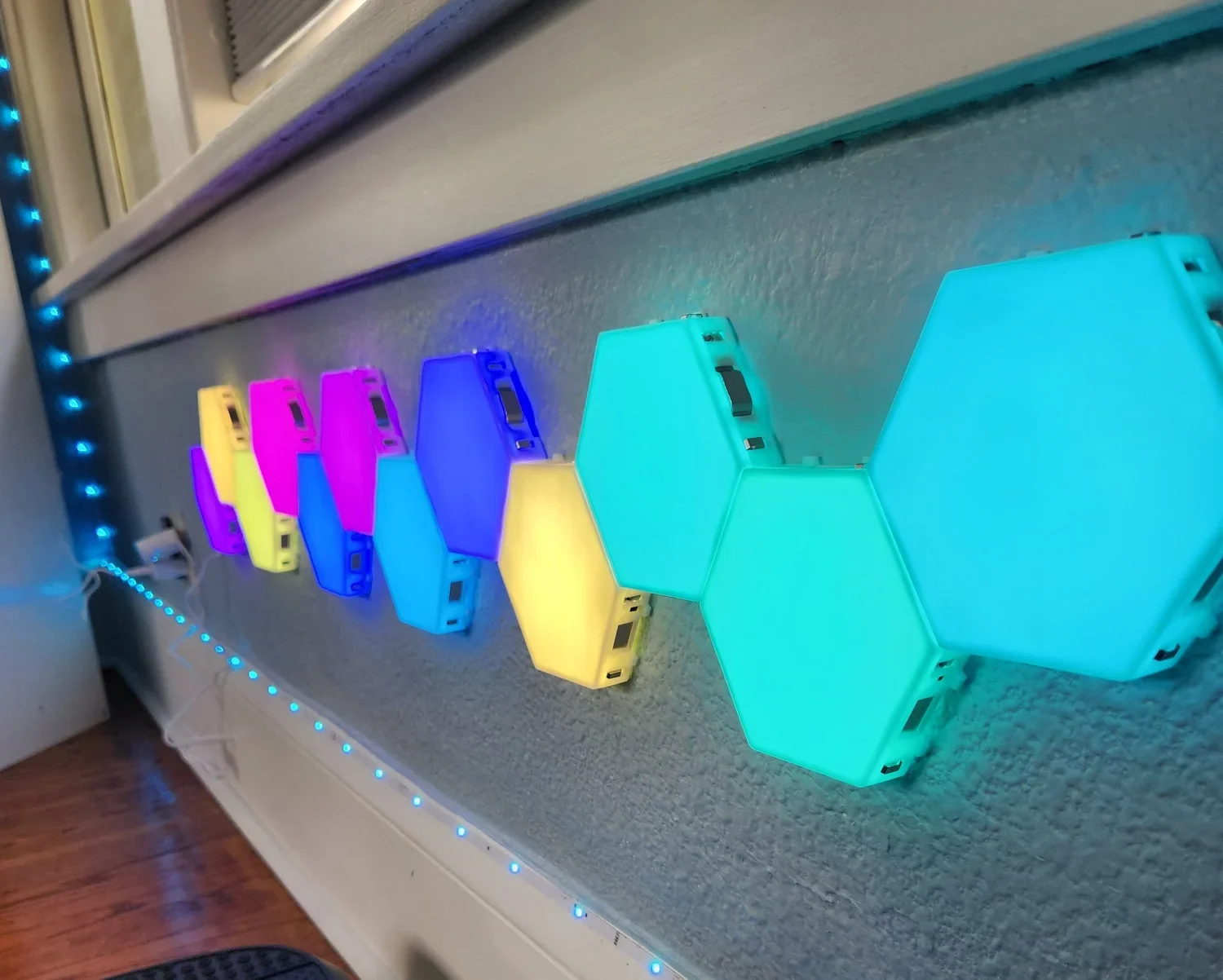
Lights That Support Visual Avoiders
Warm, low-lumen lamps
Indirect or wall-reflected lighting
Natural light with sheer curtains
Soft, neutral-toned bulbs
Dimmable lights
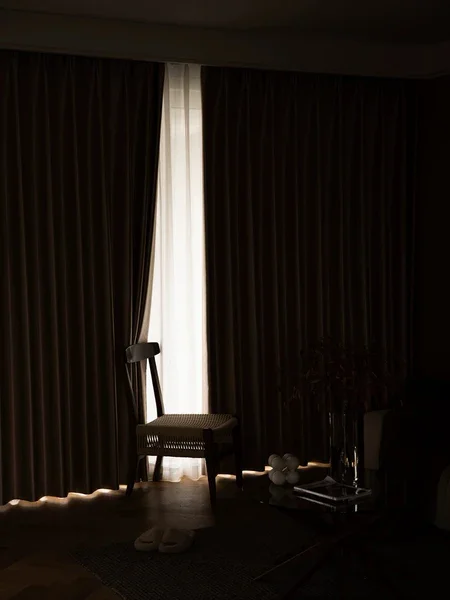
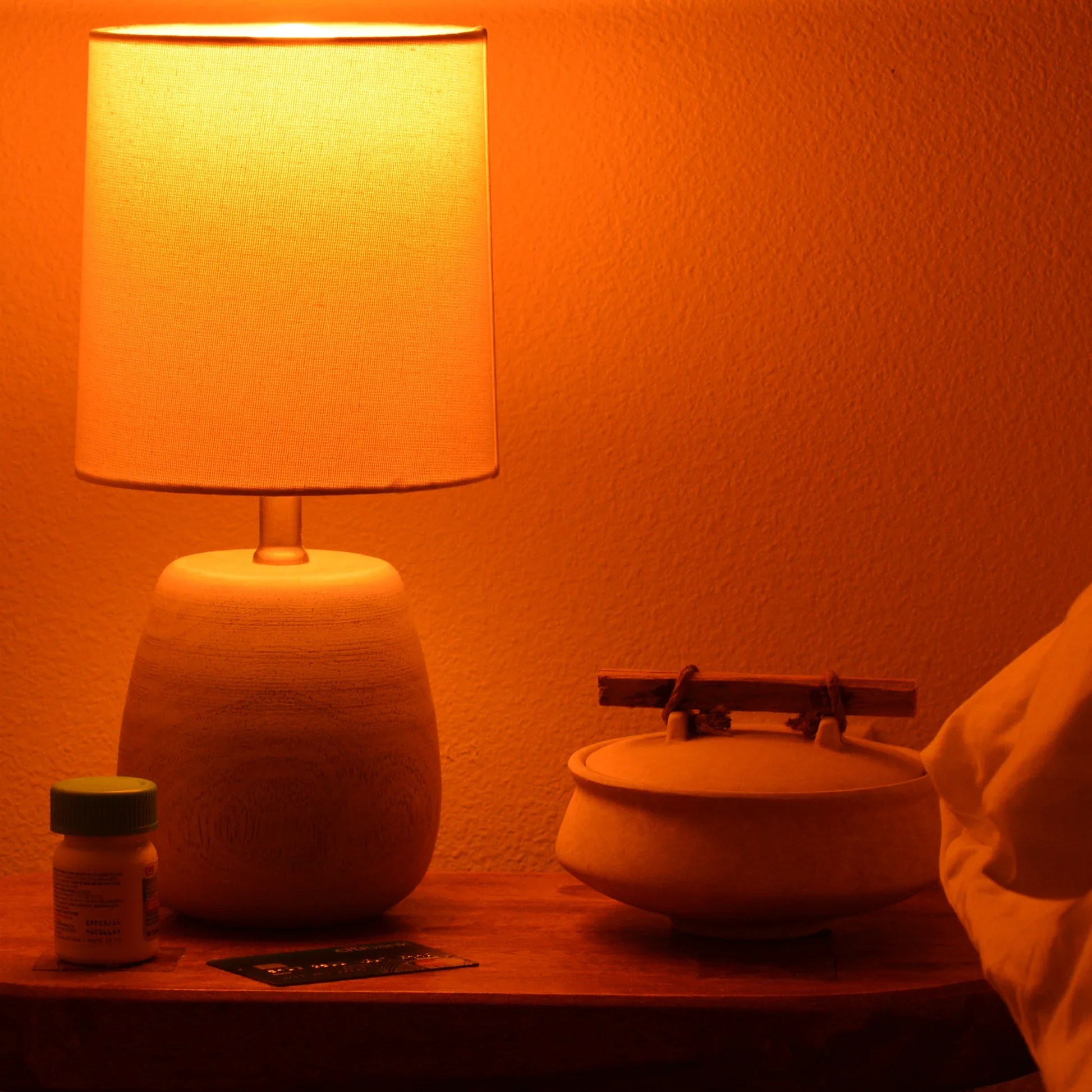
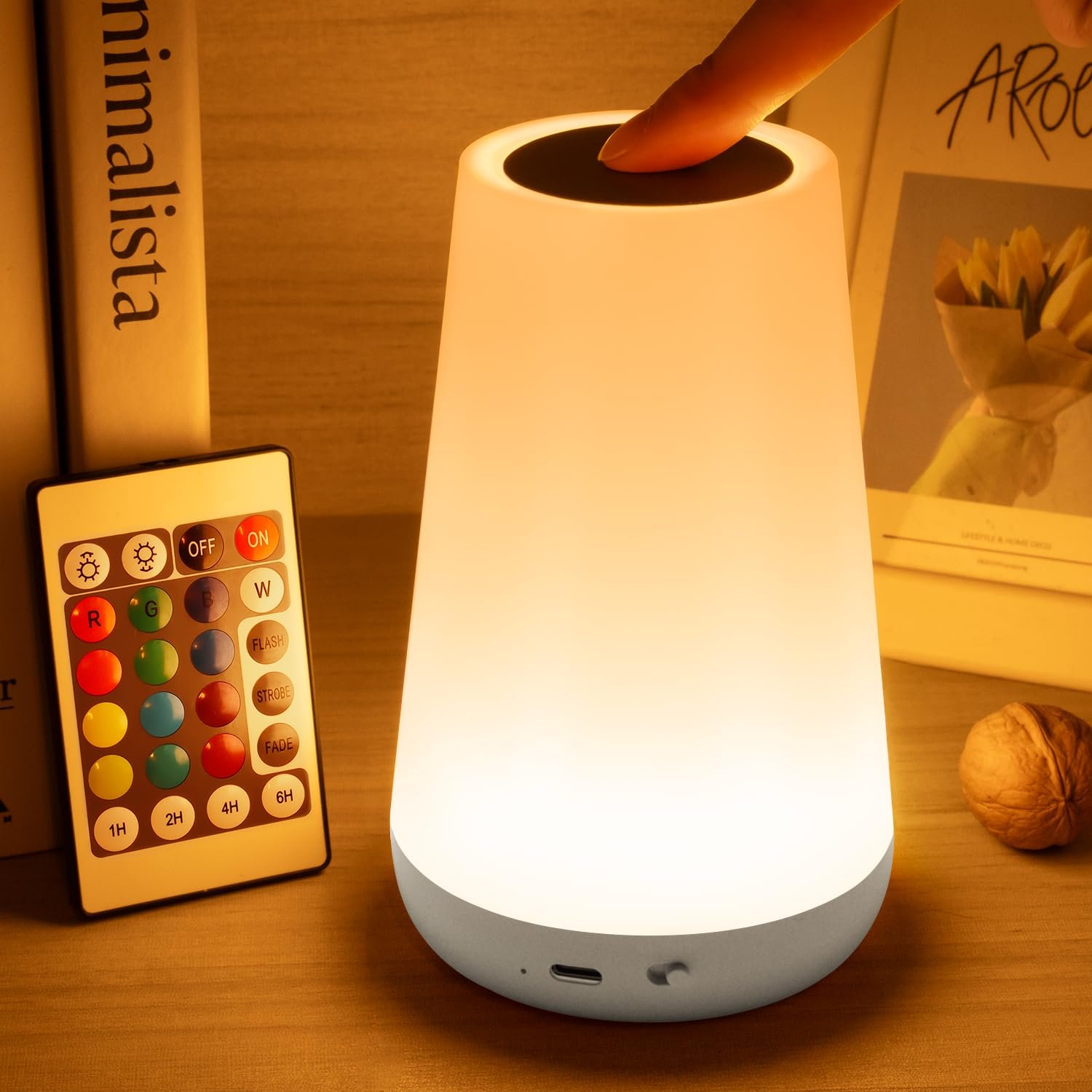
(Ford, 2019; MapHabit, 2025; Outree, 2025)
Light Can Support Regulation
Supporting your child’s sensory needs does not mean creating a perfect environment.
It means noticing patterns.
It means responding with curiosity.
It means helping your child’s body feel safe, one thoughtful adjustment at a time.
Small changes can make a meaningful difference
When we adjust the light in a space, we’re not just changing how a room looks, we’re changing how it feels to the nervous system.
Sometimes, that’s all a child needs to begin regulating again. If you’d like to explore visual sensory processing further, MapHabit offers a helpful blog on this topic. You can also dive deeper into how the visual system functions in our own post, Sensory System Series: The Visual System.
References
Bullock, G. (2018). Light sensitivity and autism spectrum disorder. TheraSpecs. https://www.theraspecs.com/blog/light-sensitivity-autism/?srsltid=AfmBOorcw_680y7onTLE2K2dGwWjo91ZTE-yCAW7Evr_DrAfn7F19wGu
Ford, A. (2019). Best sensory lighting solutions for children with autism and SPD. Harkla.
MapHabit. (2025). What are the visual sensory issues with autism?
Nair, A. S., et al. (2022). Effect of light and colors in the built environment on autistic children’s behavior. Frontiers in Psychiatry, 13. https://doi.org/10.3389/fpsyt.2022.1042641
Outree, H. (2025). Light sensitivity vs. light seeking: How sensory light can help. https://outree.com/blogs/parenting-tips/light-sensitivity-vs-light-seeking-how-sensory-light-can-help#:~:text=Stare%20at%20lamps%20or%20screens,lights%20(like%20fiber%20optic%20lamps)